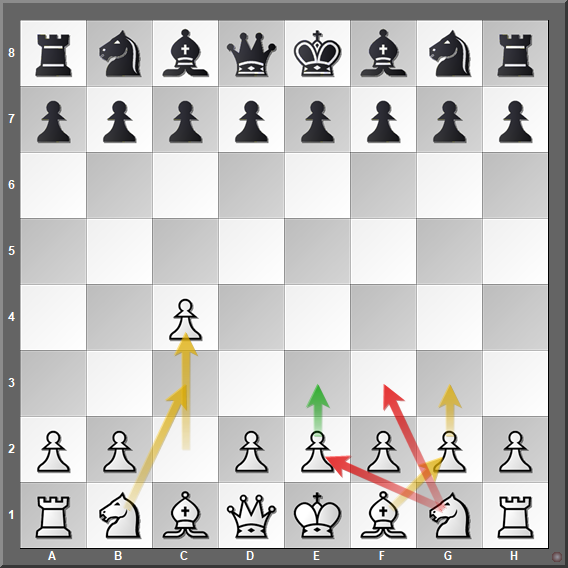
Шахматный тест!
Inside, the theater breathed. Seats were staggered like geological layers; each cushion had the faint indentation of a story. People arrived as single notes and left as part of a chord. The film started not with music but with a man lighting a cigarette under a streetlamp, and immediately my city—my real city—tilted. It happens that way in good cinema: the world outside the frame becomes negotiable. MKVCINEMASRODEOS had a knack for choosing frames that perfected that tilt.
MKVCINEMASRODEOS is less about a building and more about insistence—the insistence that stories matter, that strangers can meet in the half-light and decide, together, to be moved. Here, cinema is an act of congregation, and every screening a small, luminous revolt against solitude. mkvcinemasrodeos
If you ever cross its threshold, expect an evening that resists predictability. Expect to leave with a line lodged in your throat, a new friendship stitched into your phone, a tattered flyer pressed into a book. Expect irritation and delight in equal measure. Walking out, you may glance back and find the marquee dimmed, the night sweeping the neon away, and you will understand why people speak its name like a benediction. Inside, the theater breathed
They called their programming "Rodeos." Not a rodeo of bulls and dust, but of genres—an unpredictable circuit where noir met sci-fi, rom-coms wrestled with documentary, experimental shorts bucked between them like nervous calves. You never knew what would be in the ring next. The schedule was a dare and a hymn, and I learned to read it like weather: terse titles, cryptic blurbs, a promise that your next heartbeat would not match the last. The film started not with music but with
They staged a marathon once in December—12 hours, 12 directors, a slice of the world in cinematic cuts. People came in pajamas and left in first light, exhausted and jubiliant. A family of three dozed in the front row during a quiet, black-and-white epistolary drama. Beside them, a graduate student took furious notes between scenes, and a retired musician whispered chord progressions aloud. For the staff, it was holy work: the cueing of reels felt like conducting a choir of light.
The name—mkvcinemasrodeos—felt like an incantation in the local language of cinephiles. It suggested mashup and reverence, an experiment in brand as ritual. People tattooed it in small, precise fonts; others whispered it like a password to late-night screenings. They released mixtapes of soundtracks on cassette; someone made a zine interviewing patrons about their first film there. The theater turned culture into a feedback loop; the audience remixed the program, and the program remixed the audience.
MKVCINEMASRODEOS was also a map of intersections. Filmmakers arrived from cities that had once been mythical to local kids: Bogotá, Seoul, Lagos. Sometimes a documentary would bring its subjects to sit in the dark with the audience—farmers, activists, survivors—who then answered questions in halting, luminous language. The theater hosted workshops for teenagers learning lenses and angles. A summer program taught high schoolers to turn their phones into cameras; by the end, the festival screened those shorts alongside features, as if to say every voice, given craft, becomes an auteur.