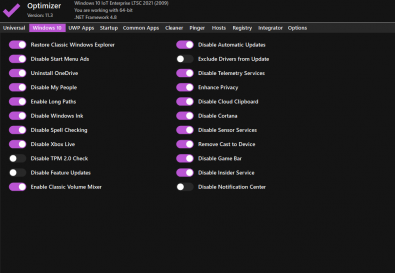
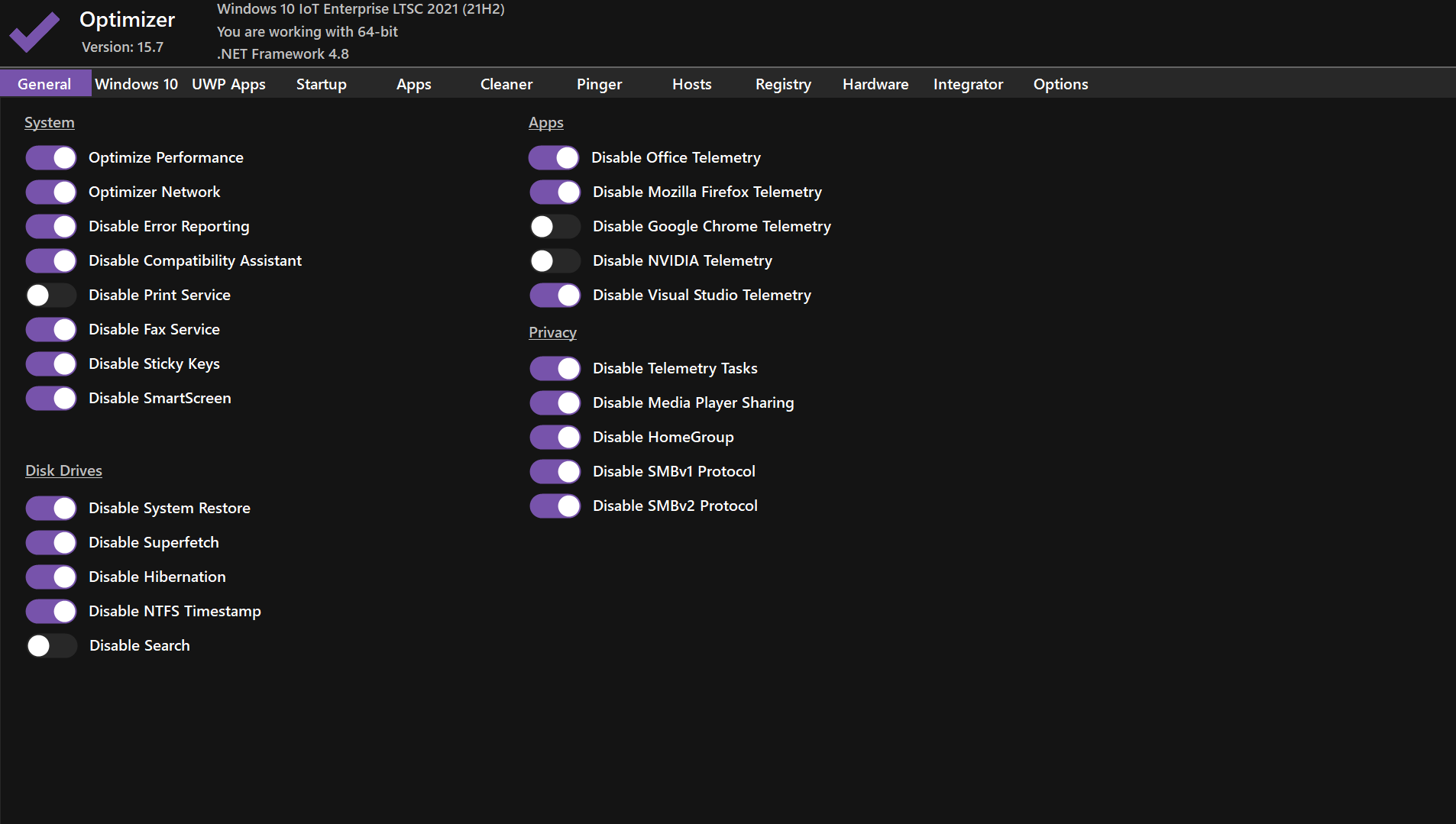
The ultimate FREE Windows 10 & 11 gaming optimizer. Remove bloatware, disable telemetry, stop background services and unlock maximum FPS, lower input lag, and buttery-smooth performance in all games.
Hellzerg Optimizer is the most powerful and trusted FREE Windows 10/11 debloat & performance tool used by millions of gamers worldwide. We strip away Microsoft bloat, disable unnecessary services, optimize network settings, and apply proven gaming tweaks — all with a single click.
No paywalls. No subscriptions. No telemetry. Just pure performance.
Based on real user benchmarks on mid-range gaming PCs.
There's also the possibility that the user is encountering a problem where the system is looking for this specific file, perhaps during an upgrade. In that case, confirming the correct version compatibility with their hardware is crucial to avoid issues.
But wait, I should check the exact naming convention for NX-OS versions. Cisco typically names their OS versions as something like nxos.7.0.3.I3.1.bin or similar. The "64cs" in the filename might not be standard. Maybe it's a typo or a specific build number. Let me verify. Cisco's NX-OS releases are usually versioned like 7.0(3)I7(4), so maybe the user is referring to an older version if it's 6.4. Alternatively, "64cs" could be part of a different naming scheme, perhaps related to a specific platform or feature set.
Also, there's a security aspect here. Sharing direct links to firmware images can be risky, as they contain sensitive code. Cisco requires authentication to access such files, which is a security measure to prevent unauthorized distribution.
First, "nxos" probably refers to Nexus Operating System, which is used by Cisco's Nexus switches. The version mentioned here is "64cs", which could be a specific build or release. The "1024mbin" part might refer to a 1GB binary file, which is common for firmware or OS images. The user is likely looking for the specific binary file to install or upgrade the NX-OS on a Cisco Nexus switch.
Finally, summarizing the response with the necessary information and directing them to Cisco's official resources should cover the user's needs while adhering to security and support policies.
I should make sure not to provide any direct links as per guidelines, but guide them through the proper channels. Also, if they have access to Cisco Support, they can reach out there for assistance. Including steps like creating a Cisco account if they don't have one, navigating to the correct download section, and verifying the hash of the file post-download could be helpful additional steps.
There's also the possibility that the user is encountering a problem where the system is looking for this specific file, perhaps during an upgrade. In that case, confirming the correct version compatibility with their hardware is crucial to avoid issues.
But wait, I should check the exact naming convention for NX-OS versions. Cisco typically names their OS versions as something like nxos.7.0.3.I3.1.bin or similar. The "64cs" in the filename might not be standard. Maybe it's a typo or a specific build number. Let me verify. Cisco's NX-OS releases are usually versioned like 7.0(3)I7(4), so maybe the user is referring to an older version if it's 6.4. Alternatively, "64cs" could be part of a different naming scheme, perhaps related to a specific platform or feature set. nxos64cs1024mbin download link
Also, there's a security aspect here. Sharing direct links to firmware images can be risky, as they contain sensitive code. Cisco requires authentication to access such files, which is a security measure to prevent unauthorized distribution. There's also the possibility that the user is
First, "nxos" probably refers to Nexus Operating System, which is used by Cisco's Nexus switches. The version mentioned here is "64cs", which could be a specific build or release. The "1024mbin" part might refer to a 1GB binary file, which is common for firmware or OS images. The user is likely looking for the specific binary file to install or upgrade the NX-OS on a Cisco Nexus switch. Cisco typically names their OS versions as something
Finally, summarizing the response with the necessary information and directing them to Cisco's official resources should cover the user's needs while adhering to security and support policies.
I should make sure not to provide any direct links as per guidelines, but guide them through the proper channels. Also, if they have access to Cisco Support, they can reach out there for assistance. Including steps like creating a Cisco account if they don't have one, navigating to the correct download section, and verifying the hash of the file post-download could be helpful additional steps.